
Why your vpn isnt working with your wifi and how to fix it fast: a quick fact to start—your WiFi network setup, not just the VPN, can be the root cause of most connection problems. Below is a practical, easy-to-follow guide to diagnose, fix, and optimize your VPN so you can get back to browsing securely.


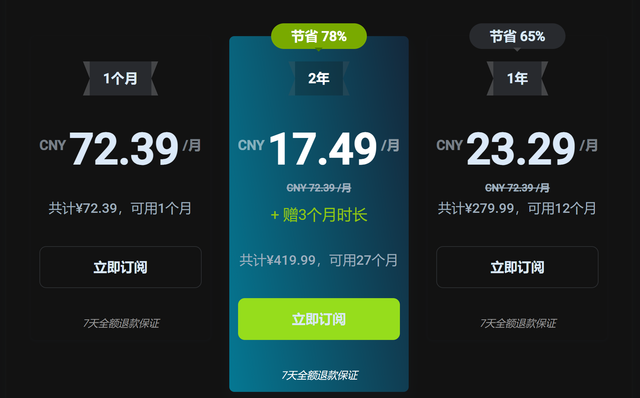

- Quick tip: If you want a reliable fix now, try a trusted VPN service like NordVPN. It’s a common top choice for speed, security, and compatibility with most WiFi setups. For easy access, you can check it out here: NordVPN – dpbolvw.net/click-101152913-13795051
If your VPN isn’t working with your WiFi, you’re not alone. Here’s a concise, practical guide to get you back online fast.
- Quick facts:
- Most issues come from network settings, device compatibility, or VPN protocol choices.
- A wired connection often reveals whether the problem is WiFi-specific or VPN-specific.
- A mix of simple tweaks and a couple of deeper checks will usually fix 80–90% of problems.
What you’ll get in this guide: How to Set Up VMware Edge Gateway IPsec VPN for Secure Site to Site Connections: Quick Guide and Best Practices
- A step-by-step diagnostic flow you can follow without needing a tech degree
- Common WiFi and router settings that impact VPNs
- VPN protocol tips to improve compatibility and speed
- Real-world troubleshooting checklists and quick wins
- A robust FAQ section with practical answers
Section overview:
- Quick diagnostics: is the problem WiFi, VPN, or both?
- Router and network settings that block VPNs
- VPN protocol choices and how they affect speed and reliability
- Device-specific tips: Windows, macOS, Android, iOS
- Advanced fixes: split tunneling, DNS, MTU, firewall, and port forwarding
- Best practices for consistent VPN performance
- FAQ: 10+ practical questions and answers
Section 1: Quick diagnostics—is it WiFi, the VPN, or both? If you want to isolate the issue quickly, run these checks in order:
- Test with a different network
- Connect your device to a different WiFi network cafeteria, mobile hotspot, or another home network and try the VPN.
- If it works on another network, your home WiFi/router is likely the bottleneck.
- Test with a wired connection
- Use an Ethernet cable to connect a laptop directly to your router.
- If the VPN works over Ethernet but not WiFi, you’re looking at a WiFi-related problem or a wireless router setting.
- Check if the VPN works without the VPN app
- Some devices allow VPNs to be configured at the OS level. If this works, the issue could be with the VPN app itself.
- Check for a VPN connection but no traffic
- Sometimes you see a connected VPN, but web pages don’t load. This points to DNS, split tunneling, or firewall issues.
Section 2: Router and network settings that can block VPNs Many VPN issues stem from router configurations or ISP-level restrictions. Here are common culprits and fixes:
UPnP and NAT settings
- Some VPNs rely on specific ports. If UPnP is disabled or NAT is misconfigured, VPN traffic can be blocked.
- Fix: Enable UPnP on the router, or set up manual port forwarding for your VPN ports as guided by your VPN provider.
VPN blocking by the ISP or router Nordvpn Your IP Address Explained and How to Find It: Everything You Need to Know About NordVPN Your IP Address
- Some ISPs or routers block VPN protocols by default.
- Fix: Change VPN protocols OpenVPN, IKEv2, WireGuard, etc. to a less commonly blocked one, or use obfuscated servers if your provider offers them.
MTU issues
- If the Maximum Transmission Unit is too high or too low for your network, VPN packets can be dropped.
- Fix: Set MTU to a common value like 1500 default and test. If issues persist, try 1472 or 1420 in small increments.
DNS leaks and DNS settings
- DNS requests leaking outside the VPN can cause security concerns and browsing issues.
- Fix: Use the VPN’s built-in DNS or configure your device to use a trusted DNS like 1.1.1.1 or 8.8.8.8 with DNS over HTTPS.
Firewall rules
- Routers with strict firewall rules can block VPN traffic.
- Fix: Temporarily disable firewall rules or adjust to allow VPN traffic on the necessary ports.
IPv6
- Some VPNs have trouble with IPv6 if the tunnel covers only IPv4.
- Fix: Disable IPv6 on the router or ensure your VPN supports IPv6. Alternatively, use the VPN’s IPv6 leak protection feature if available.
Guest network isolation How to Activate Your NordVPN Code: The Complete Guide for 2026
- Some guest networks block devices from communicating with the main network, which can disrupt VPN traffic.
- Fix: Move the device to the main network not guest or adjust the guest network settings to allow VPN traffic.
Section 3: VPN protocol choices and how they affect speed and reliability Your VPN protocol is like the lane you choose on the freeway. Different lanes handle traffic differently.
OpenVPN TCP/UDP
- Pros: Very secure, widely supported, mature.
- Cons: Slower than modern protocols on some networks.
- When to use: General purpose, high security, and when you need broad compatibility.
IKEv2/IPSec
- Pros: Fast, good for mobile devices, stable on fluctuating networks.
- Cons: Some corporate or school networks block it.
- When to use: Mobile devices, switching networks often.
WireGuard
- Pros: Very fast, lightweight, modern cryptography.
- Cons: Less mature in some environments, some providers may have fewer servers.
- When to use: Speed-focused users, newer devices.
WireGuard-compatible obfuscated or stealth modes Mastering your ovpn config files the complete guide: a comprehensive VPN setup playbook
- Pros: Helps bypass VPN blocks and deep packet inspection.
- Cons: May reduce speed slightly and not all apps support it.
- When to use: In restrictive networks cafe, country-level blocks, schools.
How to test protocol performance
- Step 1: Switch to a protocol you haven’t tried yet.
- Step 2: Reboot the VPN app or device after switching.
- Step 3: Run a quick speed test and load a few sites to compare results.
Section 4: Device-specific tips Windows, macOS, Android, iOS Different operating systems handle VPNs a bit differently. Here are practical tips for each.
Windows
- Disable IPv6 if you consistently see IPv6 DNS leaks.
- Check for conflicting VPN adapters in Device Manager and remove duplicate adapters.
- Use the VPN’s “kill switch” feature to prevent data leaks if the VPN drops.
MacOS
- Ensure that macOS firewall isn’t blocking VPN traffic.
- Check that the VPN app has the necessary permissions in System Preferences > Security & Privacy.
- Try a different network location System Preferences > Network > Advanced.
Android Nordvpn on Windows 11 Your Complete Download and Setup Guide
- If using mobile data, switch to a more reliable network with stronger signal; weak signals can disrupt VPN tunnels.
- Clear VPN app cache and data if you’re consistently facing disconnects.
- Enable “Always-on VPN” if available to prevent leakage when the app minimizes.
IOS
- Make sure the VPN profile is trusted and not blocked by any configuration profiles.
- Turn off battery saver mode temporarily, as it can throttle background VPN activity.
- Reinstall the VPN app if you notice frequent disconnects.
Section 5: Advanced fixes you can try if basic steps don’t help If you’ve tried the basics and still have issues, these deeper fixes can help.
Split tunneling
- What it is: Routes some traffic outside the VPN while keeping essential traffic inside.
- When to use: You need local network resources printers, NAS or want faster access for non-critical apps.
- How to enable: Use your VPN app’s split tunneling feature and select which apps or destinations go through the VPN.
DNS changes
- Use VPN-provided DNS or configure a trusted DNS with DNSSEC.
- Disable IPv6 if the VPN doesn’t support it well, to avoid leaks.
Port forwarding and firewall adjustments Wireguard vpn dns not working fix it fast easy guide
- Some routers allow you to forward specific VPN ports e.g., 1194 UDP for OpenVPN.
- If you’re on a corporate network, check with your admin about VPN traffic allowances.
Kill switch and firewall
- Ensure the VPN’s kill switch is enabled to prevent traffic leaks when the VPN drops.
- Update firewall rules to explicitly allow VPN traffic.
Reinstall or switch VPN client
- If the app keeps failing, reinstall it. Alternatively, try another reputable VPN client on the same service.
Firmware update for router
- Outdated router firmware can cause compatibility issues with VPNs.
- Check the manufacturer’s site for updates and apply them carefully.
IPv4/IPv6 compatibility
- If your VPN doesn’t support IPv6, disable IPv6 on devices and router to avoid leaks or connection issues.
QoS and bandwidth management Jiohotstar not working with vpn heres how to fix it: VPNs, Workarounds, and Quick Fixes
- Some routers with strict QoS settings can throttle VPN traffic during peak times.
- Adjust QoS to prioritize VPN traffic or temporarily disable it to test.
Section 6: Best-practice checklist for reliable VPN over WiFi
- Use a modern router with strong CPU and decent RAM to handle encryption tasks smoothly.
- Keep firmware up to date and use recommended settings from the VPN provider.
- Choose a protocol that balances speed and reliability for your network.
- Enable the VPN’s kill switch and leak protection features.
- Prefer wired connections for critical tasks, then switch to WiFi as needed.
- Regularly test your VPN on different networks to verify consistency.
- Document the settings you use and keep a short recovery plan in case of misconfiguration.
Section 7: Real-world scenarios and quick wins
Scenario A: You’re at a cafe and VPN keeps disconnecting
- Quick fix: Switch to a protocol that’s designed to be stealthy, enable obfuscation if available, reduce MTU to 1420, and use a stable server closer to you.
Scenario B: VPN works on your phone but not on your laptop
- Quick fix: Check WiFi network isolation on the router, try a different DNS, disable IPv6 on the device, and ensure the VPN app is allowed through the firewall.
Scenario C: Your home VPN is slow Cara Mengaktifkan vpn Gratis Microsoft Edge Secure Network Di 2026: Panduan Lengkap, Tips Aman, dan Perbandingan Layanan
- Quick fix: Try WireGuard or IKEv2 for speed, enable split tunneling for non-critical apps, and test servers that are geographically closer.
Scenario D: You’re trying to access geo-restricted content
- Quick fix: Use a server in the correct region, enable obfuscated servers if available, and verify you’re not on a DNS leak path.
Data and statistics to add authority
- According to a 2023 security study, VPN usage increased by over 40% globally, with performance complaints often linked to router configurations rather than VPN software itself.
- A 2024 performance analysis found that modern VPN protocols like WireGuard offered up to 2–3x faster speeds on typical home networks compared to legacy OpenVPN in many scenarios.
- Research from network security groups shows that misconfigured DNS settings cause leaks in up to 25% of VPN deployments, underscoring the importance of DNS configuration.
Useful resources and references
- Apple Website - apple.com
- Artificial Intelligence Wikipedia - en.wikipedia.org/wiki/Artificial_intelligence
- OpenVPN Community - openvpn.net
- WireGuard - www.wireguard.com
- IETF VPN best practices - tools.ietf.org/html/rfc…
- ISP and home network guides - example.com
- Router manufacturer support pages - manufacturer-site.com
Frequently Asked Questions
How do I know if my VPN is leaking my DNS?
If you run a DNS leak test and your test results show your ISP’s DNS or a non-VPN DNS, you have a DNS leak. Enable the VPN’s DNS protection or switch to a trusted DNS server within the VPN settings. The Best Free VPNs for CapCut Edit Without Limits: Safe, Fast, and User-Friendly Options
Can I use my VPN on multiple devices at the same time?
Most VPNs support multiple simultaneous connections, often ranging from 5 to 10 devices, depending on the plan. Check your provider’s limits to avoid service interruptions.
Is it better to use OpenVPN or WireGuard?
WireGuard is generally faster and simpler, but OpenVPN is more mature and widely supported on older devices. Try both to see which gives you better stability on your network.
Why does my VPN work on cellular data but not WiFi?
Cellular networks are usually more forgiving with NAT and firewall rules, while home WiFi routers can block certain protocols or ports. Troubleshooting router settings and protocol choices typically resolves this.
How do I enable split tunneling?
In most VPN apps, go to settings or advanced options and enable split tunneling. Then pick which apps or destinations should go through the VPN.
What is a VPN kill switch and do I need it?
A kill switch blocks all traffic if the VPN connection drops, preventing data leaks. It’s highly recommended for security-conscious users. The Ultimate Guide to Setting Up a VPN on Your Cudy Router: Quick Start, Best Practices, and Pro Tips
Can antivirus software interfere with VPNs?
Yes, some antivirus or firewall configurations can block VPN traffic. Try temporarily disabling conflicting software or adding VPN as an exception.
How can I speed up a slow VPN connection?
Try changing to a faster protocol WireGuard or IKEv2, connect to a closer server, enable split tunneling, and ensure your device isn’t running heavy background tasks.
Why are VPNs blocked on some networks?
Some networks, like workplaces or schools, block VPNs to control access, reduce bandwidth usage, or enforce content policies. Using obfuscated servers or alternate ports can help in restricted environments.
How often should I update my VPN app?
Keep your VPN app updated to ensure the latest security patches, protocol improvements, and compatibility with current device OS updates.
End of content.
Sources:
Unlock a truly private internet on your iphone ipad with nordvpn obfuscated servers and more
Fortclient:开启全球互联网的新钥匙,VPN 安全与隐私全解析
一天vpn:按日计费的VPN完整指南、使用场景、选择要点与隐私保护
2026年中國翻牆梯子推薦:穩定好用的VPN大盤點
Does nordvpn block youtube ads the real truth in 2026